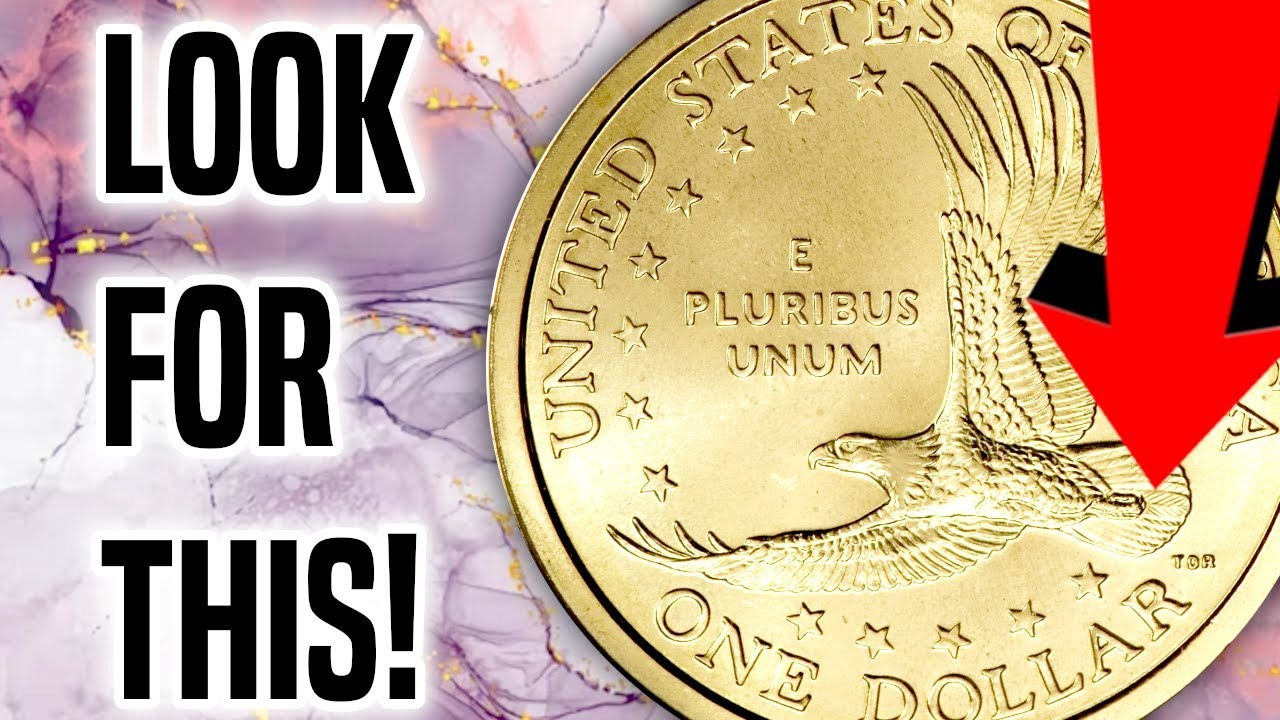
The Sacagawea dollar coin is one of the most fascinating modern issues in United States numismatics. First released in 2000, it was intended to replace the Susan B. Anthony dollar and provide a more visually appealing coin that would circulate widely. Featuring the Shoshone woman Sacagawea, who played a vital role in guiding the Lewis and Clark expedition, the coin carries both historical and cultural significance. Collectors and casual holders alike often wonder whether their Sacagawea dollar is worth more than face value. The answer depends on several factors including rarity, condition, and specific varieties.
The Design and Symbolism
The obverse of the coin depicts Sacagawea with her infant son, Jean Baptiste Charbonneau, carried on her back. This design was created by artist Glenna Goodacre and chosen for its strong representation of Native American heritage. The reverse originally featured a soaring eagle, symbolizing freedom and the spirit of exploration. Later issues introduced new reverse designs under the Native American $1 Coin Program, highlighting themes from Native American history and contributions. The golden color of the coin, achieved through a manganese brass alloy, makes it stand out from other circulating coins.
Circulation and Public Reception
When the Sacagawea dollar was introduced, the United States Mint hoped it would gain widespread use in everyday transactions. However, much like the Susan B. Anthony dollar, it struggled to achieve popularity. Americans were accustomed to using paper currency for one-dollar denominations, and coins of that value never became mainstream. As a result, most Sacagawea dollars ended up in collections, bank vaults, or were used in vending machines and transit systems. Despite limited circulation, the coin has remained a favorite among collectors due to its distinctive design and historical resonance.

Common Issues and Their Value
Most Sacagawea dollars found in pocket change or rolls from banks are worth only their face value of one dollar. These coins were minted in large numbers, and unless they are in pristine uncirculated condition, they do not carry significant premiums. However, collectors often seek out high-grade examples certified by professional grading services. A coin graded MS65 or higher can be worth a few dollars above face value, while superb gem examples may command even more. Proof versions, struck for collectors, are also available and typically sell for a modest premium depending on condition.
Key Varieties and Errors
Certain varieties and mint errors make Sacagawea dollars far more valuable. One of the most famous is the 2000 Cheerios dollar. As part of a promotion, the Mint placed special Sacagawea dollars in Cheerios cereal boxes. These coins featured a prototype reverse design with enhanced detail on the eagle’s tail feathers. Today, a genuine Cheerios dollar can be worth thousands of dollars depending on condition. Other notable varieties include mule errors, where a Sacagawea obverse was mistakenly paired with a state quarter reverse. These rare mistakes are highly prized and can sell for tens of thousands of dollars at auction.
The Role of Condition and Grading
Condition plays a critical role in determining the value of any coin, and Sacagawea dollars are no exception. Coins are graded on a scale from Poor (P-1) to Mint State (MS-70). Circulated examples with scratches, wear, or discoloration are generally worth only face value. Uncirculated coins with sharp details and luster are more desirable. Proof coins, struck with specially prepared dies and polished planchets, often display mirror-like surfaces and are collected for their beauty. Professional grading services such as PCGS and NGC provide authentication and assign grades, which can significantly influence market value.

Collecting Strategies
For collectors, Sacagawea dollars offer several interesting avenues. Some focus on acquiring one coin from each year of issue, building a complete date set. Others pursue the Native American $1 Coin Program series, which features unique reverse designs each year. Error collectors may seek out rare varieties, while investors might target high-grade examples with strong potential for appreciation. Because the coins are relatively affordable compared to older U.S. issues, they provide an accessible entry point for beginners while still offering challenges for advanced numismatists.
Market Trends and Investment Potential
The market for Sacagawea dollars has remained steady over the years. Common issues are unlikely to see dramatic increases in value, but rare varieties and high-grade coins continue to attract strong interest. The Cheerios dollar and mule errors have proven to be excellent investments, with prices rising as awareness grows. Collectors should keep in mind that coin values fluctuate based on demand, rarity, and overall economic conditions. While Sacagawea dollars may not rival classic gold or silver coins in terms of investment potential, they hold a unique niche in modern numismatics.

Tips for Identifying Valuable Coins
If you have Sacagawea dollars and wonder whether they are worth more than face value, start by examining them closely. Look for coins in pristine condition with minimal wear. Check for unusual features such as doubled dies, off-center strikes, or other mint errors. If you suspect you have a Cheerios dollar, compare the eagle’s tail feathers to reference images. Consider submitting rare or high-grade coins to a professional grading service for authentication. Even if most of your coins are common, setting aside the best examples can be rewarding in the long run.
Conclusion
The Sacagawea dollar coin is more than just a piece of modern currency. It represents a tribute to Native American heritage, a bold attempt to reshape American coinage, and a fascinating collectible with hidden treasures. While most examples are worth only a dollar, rare varieties and high-grade coins can command impressive premiums. Whether you are a seasoned collector or someone who stumbled upon a few coins in change, understanding the factors that influence value can help you appreciate what you have. The Sacagawea dollar may not have achieved widespread circulation, but in the world of numismatics, it has secured a lasting legacy.