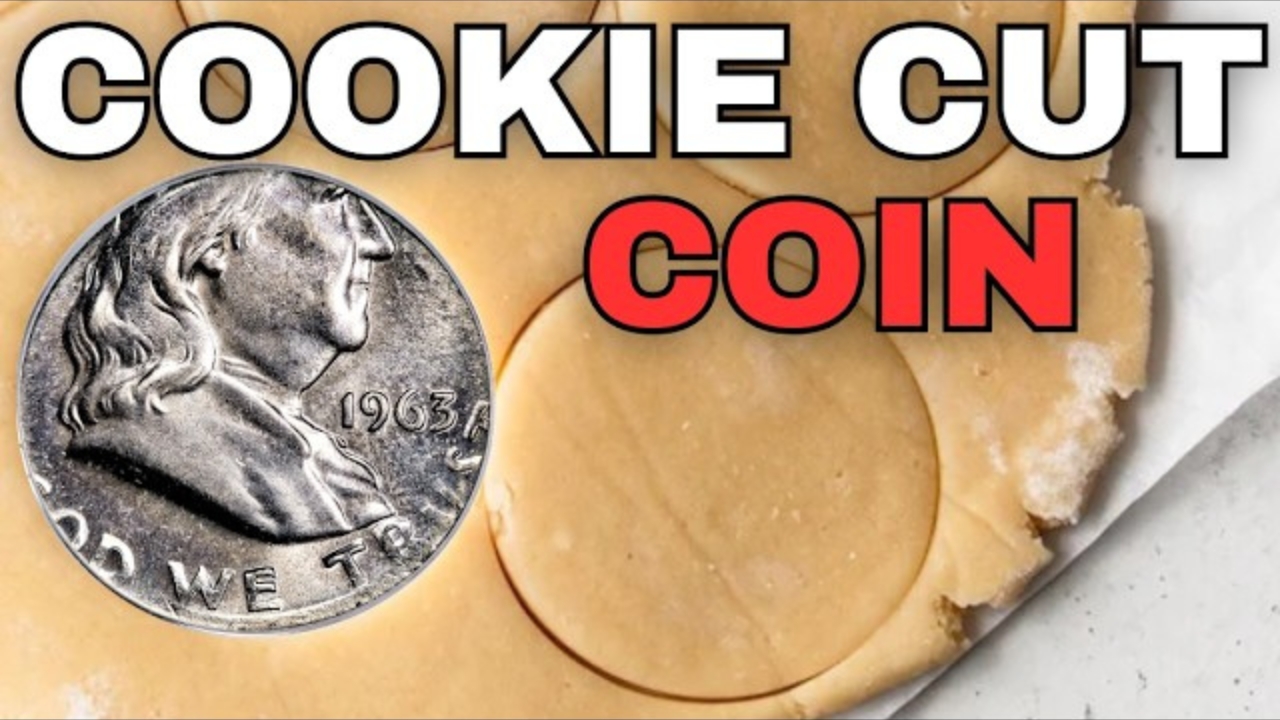
Coin collecting is one of those hobbies where small details can make a huge difference. A tiny imperfection on a coin can turn an ordinary piece of change into something worth hundreds or even thousands of dollars. The fascinating part is that not all errors require special tools to identify. Some of the most valuable coin errors can be spotted with the naked eye, making them accessible to both beginners and seasoned collectors. Understanding these errors is not just about profit but also about appreciating the history and craftsmanship behind every coin.
Why Coin Errors Matter
Errors occur during the minting process when something goes wrong with the dies, the planchets, or the striking machinery. These mistakes are not intentional, which makes them rare and desirable. Collectors value them because they represent anomalies in a system designed for precision. The rarity of these coins drives demand, and demand drives value. Spotting an error without magnification means you can quickly identify potential treasures in your pocket change or coin rolls without needing expensive equipment.
Double Die Errors
One of the most famous and valuable coin errors is the double die. This happens when the die used to strike the coin has been engraved twice at slightly different angles. The result is a coin with doubled features, often visible in the lettering or numbers. The 1955 Lincoln cent is the most iconic example, with its doubled date and inscriptions. Even without a magnifier, the doubling is so clear that anyone can see it. Coins with dramatic doubling are highly sought after, and even minor doubling can add significant value.

Off Center Strikes
Another error that is easy to spot is the off center strike. This occurs when the coin blank is not properly aligned in the press, causing the design to be struck off center. The result is a coin with part of the design missing and a blank crescent of metal visible. The more off center the strike, the more valuable the coin tends to be. Coins struck 50 percent off center are especially prized. These errors are visually striking and require no magnification to identify.
Broadstrike Errors
Broadstrike errors happen when the collar that holds the coin in place during striking fails. Without the collar, the coin spreads out wider than normal, creating a distorted shape. These coins often look larger and flatter than standard coins. Because the error affects the entire coin, it is easy to notice without magnification. Broadstrike coins are unusual and can be worth far more than their face value, especially if they are in good condition.
Clipped Planchets
A clipped planchet error occurs when the blank metal disc used to strike the coin is improperly cut, leaving a curved or straight clip on the edge of the coin. These clips are visible to the naked eye and can vary in size. Coins with larger clips are generally more valuable, but even small clips can attract collector interest. The error is a result of mechanical mishaps during the preparation of blanks, and it adds uniqueness to the coin.

Missing Letters and Numbers
Sometimes coins are struck with missing letters or numbers due to grease or debris filling the die. This prevents certain parts of the design from being properly transferred to the coin. These errors are called filled die errors. They are easy to spot because the inscriptions look incomplete. A missing letter in the motto or date can make a coin stand out immediately. Collectors enjoy these errors because they are unusual and visually distinct.
Multiple Strikes
Occasionally a coin is struck more than once, resulting in overlapping designs. These multiple strike errors are dramatic and obvious. The coin may show doubled images, shifted designs, or partial impressions. Because the error is so visible, it does not require magnification to identify. Multiple strike coins are rare and command high prices in the collector market.

Value Factors
Not all errors are equally valuable. The value depends on several factors including rarity, demand, and condition. Dramatic errors that are easy to see tend to be worth more than subtle ones. Coins in higher grades also fetch higher prices. Historical significance plays a role too. For example, a double die cent from 1955 is more valuable than a similar error from a recent year because of its iconic status. Collectors should always consider these factors when evaluating an error coin.
How to Spot Errors in Everyday Change
The best part about error coins is that they can appear in everyday circulation. By simply paying attention to the coins you receive, you might stumble upon a valuable piece. Look closely at dates, inscriptions, and edges. Rotate coins under good lighting to catch doubling or missing elements. Check for unusual shapes or blank areas. With practice, spotting errors becomes second nature. Many collectors have found treasures in pocket change or coin rolls purchased from banks.
Famous Error Coins
Several error coins have achieved legendary status among collectors. The 1955 double die cent is perhaps the most famous, with its bold doubling visible without magnification. Off center strikes from various denominations are also popular. Clipped planchets and broadstrikes from quarters and dimes often attract attention. These coins serve as examples of how errors can transform ordinary currency into prized collectibles. Learning about these famous pieces helps collectors recognize similar errors in their own finds.
Tips for Beginners
For those new to coin collecting, error coins offer an exciting entry point. Start by examining coins you already have. Focus on the date, lettering, and overall shape. Compare coins of the same denomination to spot differences. Do not worry about having magnifiers or microscopes at first. Many valuable errors are visible to the naked eye. As you gain experience, you can invest in tools and reference books to expand your knowledge. Joining coin clubs or online communities can also provide guidance and support.
Preserving Error Coins
Once you find an error coin, preserving it properly is important. Avoid cleaning the coin, as this can reduce its value. Store it in a protective holder to prevent scratches and wear. Keep coins in a cool, dry environment to avoid tarnishing. Proper preservation ensures that the coin retains its value and appeal over time. Collectors often grade error coins professionally to establish authenticity and condition, which can further increase their market value.
Conclusion
Coin errors are fascinating anomalies that capture the imagination of collectors. The fact that some of the most valuable errors can be spotted without magnification makes the hobby accessible to everyone. From double dies to off center strikes, these mistakes transform ordinary coins into extraordinary collectibles. By learning to recognize these errors, collectors can uncover hidden treasures in everyday change. The thrill of discovery and the potential for profit make error coins one of the most exciting aspects of numismatics. Whether you are a beginner or an experienced collector, keeping an eye out for visible errors can lead to remarkable finds and lasting enjoyment.