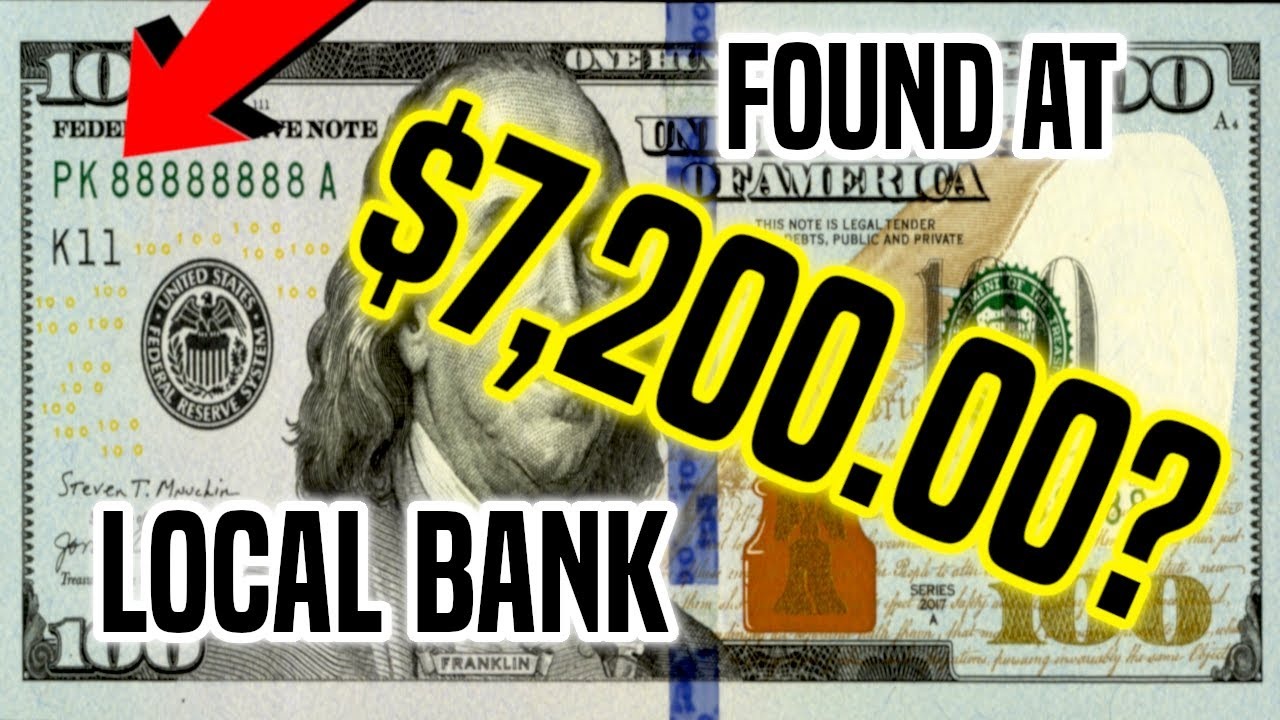
Most people see a $20 bill as nothing more than a convenient piece of paper money used for groceries, gas, or a quick meal. Yet, within the world of numismatics, ordinary-looking bills can sometimes hold extraordinary value. Collectors are constantly searching for rare notes that carry unique printing errors, unusual serial numbers, or historical significance. A bill that seems like pocket change to one person could be a treasure worth tens of thousands of dollars to another.
The idea that a $20 bill could be worth $55,200 may sound unbelievable, but it is rooted in the fascinating reality of collectible currency. Paper money, much like rare coins, can appreciate in value far beyond its face value when rarity and demand align.

Why Collectors Value Rare Bills
Collectors are drawn to paper currency for several reasons. First, rarity plays a central role. If a bill was printed in limited numbers or contains a printing mistake, its scarcity makes it desirable. Second, condition matters. A crisp, uncirculated bill with sharp edges and no folds is far more valuable than one that has been passed around for years. Third, historical context adds weight. Bills tied to significant events or eras in American history often carry added prestige.
For example, a $20 bill with a unique serial number pattern such as repeating digits, palindromes, or ladders can fetch impressive sums. Similarly, misprints like inverted seals, missing ink, or double denominations are highly sought after. These quirks transform ordinary currency into prized collectibles.
The Story Behind the $55,200 Valuation
So how does a $20 bill reach a valuation of $55,200? The answer lies in a combination of rarity, condition, and collector demand. One famous case involved a $20 bill with a printing error that made it exceptionally rare. Because only a handful of such notes were ever released into circulation, collectors competed fiercely to own one.
Auction houses specializing in currency often witness bidding wars when such bills appear. The final hammer price reflects not just the rarity but also the passion of collectors who see these notes as historical artifacts. In this particular case, the $20 bill’s unique characteristics elevated it from pocket money to a five-figure collectible.
How to Identify Valuable $20 Bills
If you are curious whether your $20 bill might be worth more than its face value, there are several features to look for.
- Serial Numbers: Bills with repeating digits, star notes, or unusual sequences can be valuable.
- Printing Errors: Misaligned seals, missing ink, or double impressions are rare and highly collectible.
- Age and Series: Older bills, especially those from discontinued series, often carry higher value.
- Condition: Crisp, uncirculated notes are worth significantly more than worn bills.
Collectors often use magnifying glasses and reference guides to spot these details. Even small anomalies can make a big difference in value.
The Role of Auctions and Market Demand
Auction houses play a critical role in determining the value of rare currency. When a rare bill is put up for sale, collectors from around the world compete to own it. The excitement of bidding often drives prices far beyond initial estimates.
Market demand also fluctuates. At times, certain types of bills become trendy among collectors, pushing values higher. For instance, star notes or bills with repeating serial numbers may suddenly surge in popularity, creating opportunities for sellers.
Stories of Everyday People Finding Fortune
There are countless stories of individuals discovering that their ordinary-looking bills were worth small fortunes. Someone might withdraw cash from an ATM and unknowingly receive a rare note. Another person might inherit old currency from a relative and later learn that it is highly collectible.
These stories fuel the excitement of currency collecting. They remind us that hidden treasures can be found in the most unexpected places. A simple $20 bill tucked in a wallet could turn out to be a life-changing discovery.
The Importance of Professional Appraisal
If you suspect that your $20 bill might be valuable, seeking a professional appraisal is essential. Currency experts can authenticate the note, evaluate its condition, and provide an accurate estimate of its worth. Attempting to sell a rare bill without proper appraisal may result in undervaluing it.
Professional grading services also assign numerical scores to bills based on their condition. A high-grade bill can command significantly higher prices at auction. Collectors trust these grading systems, making them a vital part of the buying and selling process.
Preserving Rare Currency
Preservation is key to maintaining the value of rare bills. Collectors use protective sleeves, climate-controlled storage, and careful handling to ensure that their notes remain in pristine condition. Exposure to sunlight, moisture, or rough handling can quickly diminish a bill’s value.
If you own a potentially valuable $20 bill, avoid folding it or carrying it in your wallet. Instead, store it safely and consider professional preservation methods.
The Broader World of Collectible Currency
While the $20 bill example is striking, it is just one piece of the larger world of collectible currency. From silver certificates to wartime emergency notes, the history of American paper money is filled with fascinating stories. Each bill tells a tale of economic shifts, political decisions, and printing innovations.
Collectors often branch out from coins to paper money because of the unique artistry and historical significance found in currency. The intricate designs, portraits, and seals make each bill a miniature work of art.
Why You Should Check Your Wallet
The lesson here is simple: never underestimate the potential value of the money in your wallet. While most bills are worth only their face value, rare exceptions exist. Taking a moment to examine your currency could reveal hidden treasures.
Even if you do not find a $20 bill worth $55,200, you may discover notes with modest premiums that still exceed their face value. Collecting currency can be both financially rewarding and intellectually stimulating.
Conclusion
The story of a $20 bill valued at $55,200 highlights the fascinating world of currency collecting. What seems ordinary can sometimes be extraordinary. Rarity, condition, and collector demand transform simple paper money into prized artifacts.
For everyday people, this serves as a reminder to pay attention to the details. That bill in your pocket might be more than just spending money. It could be a hidden treasure waiting to be discovered.