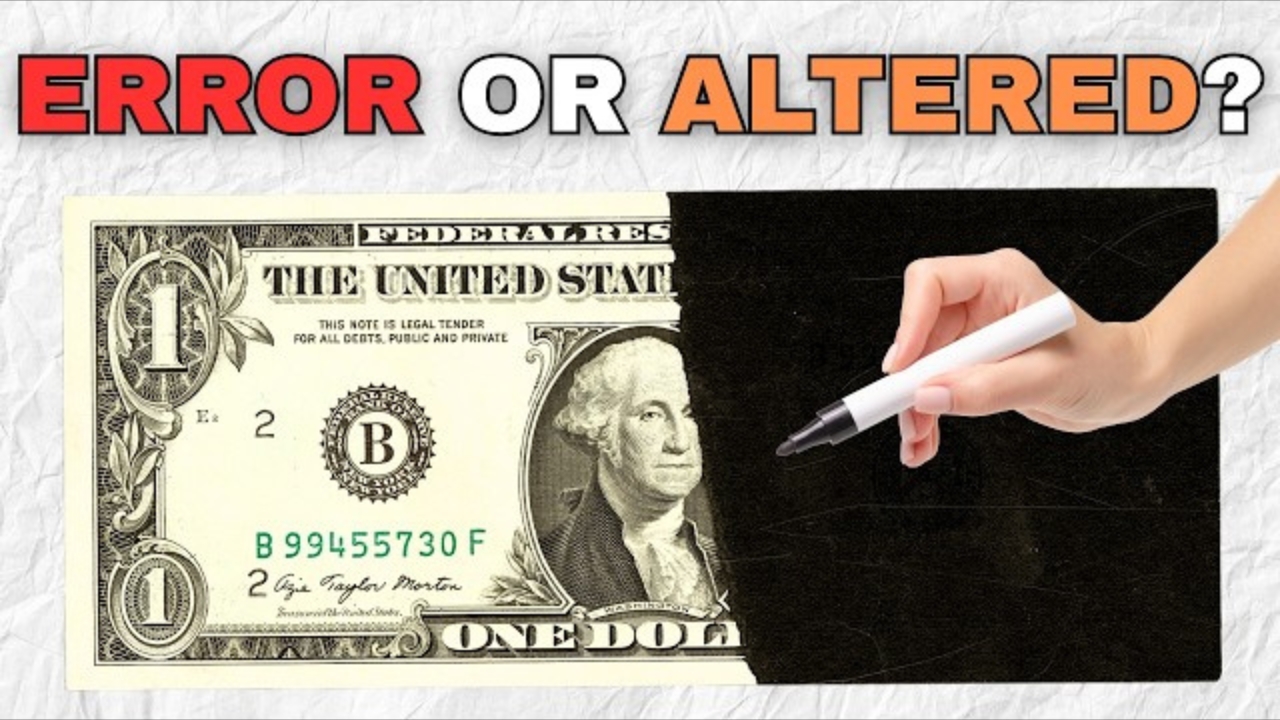
Most people see a $1 bill as nothing more than pocket change. It buys a small snack, a cup of coffee refill, or simply sits forgotten in a wallet. Yet, within the world of coin and currency collecting, even the most ordinary-looking banknote can hold extraordinary value. Collectors and investors alike know that certain $1 bills are worth far more than their face value, sometimes reaching thousands of dollars at auction. The secret lies in the details printed on the bill, the rarity of its features, and the demand among numismatists.
Why Collectors Prize Rare Banknotes
Currency collecting is not just about coins. Paper money has its own thriving market, and collectors are constantly searching for unique notes that stand out. A rare $1 bill can be valuable for several reasons. It might have a printing error, an unusual serial number, or belong to a limited series that was quickly withdrawn. These factors transform an otherwise ordinary piece of paper into a prized collectible. For collectors, owning such a bill is like holding a piece of history, a tangible artifact that tells a story about the evolution of money.

Serial Numbers That Can Make You Rich
One of the most fascinating aspects of paper currency is the serial number. Every bill carries a unique sequence of digits, and certain patterns are highly sought after. Collectors look for what are called “fancy serial numbers.” These include repeating digits, palindromes, ladders, and low numbers. For example, a bill with the serial number 00000001 is extremely rare and can fetch thousands of dollars. Similarly, a “ladder” number like 12345678 or a “radar” number that reads the same forward and backward, such as 12233221, can be worth far more than face value. Even bills with repeating digits like 77777777 are considered treasures.
Printing Errors That Add Value
Mistakes in the printing process can also make a $1 bill valuable. Errors might include misaligned seals, missing ink, or doubled serial numbers. These flaws are not common, and when they slip through quality control, they create unique collectibles. A bill with a dramatic printing error can sell for hundreds or even thousands of dollars, depending on the severity and rarity of the mistake. Collectors love these anomalies because they represent a break from the norm, a rare glimpse into the imperfections of mass production.
Star Notes and Their Significance
Another category of valuable $1 bills is known as “star notes.” These are replacement notes issued when a bill is damaged during printing. Instead of reusing the same serial number, the Bureau of Engraving and Printing adds a star symbol at the end of the number. Star notes are scarcer than regular bills, and certain series are especially rare. Collectors often pay a premium for star notes, particularly if they are in pristine condition or part of a limited run.
Condition Matters More Than You Think
Just like coins, the condition of a bill plays a huge role in determining its value. A crisp, uncirculated $1 bill with sharp edges and no folds is worth far more than a worn, crumpled note. Collectors grade currency based on factors such as color brightness, paper quality, and the presence of creases or stains. Even a rare serial number loses much of its value if the bill is in poor condition. This is why many collectors store their notes in protective sleeves to preserve their quality.
Historical Context and Collector Demand
Beyond serial numbers and printing errors, the historical context of a bill can also influence its value. Certain series of $1 bills were printed in limited quantities or during significant periods in history. For example, notes from the early 20th century or those tied to major economic events often attract attention. Collector demand also plays a role. If a particular type of bill becomes popular among enthusiasts, its value can rise quickly. This demand-driven market means that even bills with modest rarity can become highly valuable if enough collectors want them.
How to Check Your Own $1 Bills
The exciting part is that anyone can check their own wallet for potentially valuable bills. Start by examining the serial number. Look for unusual patterns, low numbers, or repeating digits. Next, check for the presence of a star symbol. Finally, inspect the bill for printing errors or unusual features. If you find something that looks promising, compare it with online collector guides or consult a professional appraiser. Even if your bill is not worth thousands, it might still fetch a premium above face value.

Stories of Big Finds
There are countless stories of people discovering valuable bills in circulation. A collector once found a $1 bill with a rare ladder serial number in change from a grocery store. Another person stumbled upon a star note tucked away in an old wallet. These discoveries highlight the thrill of currency collecting. The idea that a simple $1 bill could be worth hundreds or thousands adds an element of excitement to everyday transactions. It reminds us that hidden treasures can be found in the most ordinary places.
Investment Potential of Rare Currency
For investors, rare currency represents an alternative asset class. Unlike stocks or bonds, collectible bills are tangible items with historical significance. Their value often increases over time, especially as certain series become harder to find. While not every $1 bill will make you rich, those with rare features can be a smart investment. Collectors and investors alike see them as a way to diversify portfolios while enjoying the thrill of owning something unique.
The Future of Currency Collecting
As digital payments become more common, physical currency is slowly fading from everyday use. This shift makes collectible bills even more valuable, as they represent a disappearing part of our financial history. Future generations may look at paper money with nostalgia, further increasing demand for rare notes. For now, collectors continue to search for hidden gems, knowing that the next valuable $1 bill could be sitting unnoticed in a cash register or wallet.
Final Thoughts
The next time you hold a $1 bill, take a closer look. That ordinary piece of paper might carry extraordinary value. Whether it is a fancy serial number, a printing error, or a star note, the potential for hidden worth is real. Collectors and investors have proven time and again that rare currency can fetch thousands of dollars. By paying attention to the details, you might discover that your pocket change is far more valuable than you ever imagined.