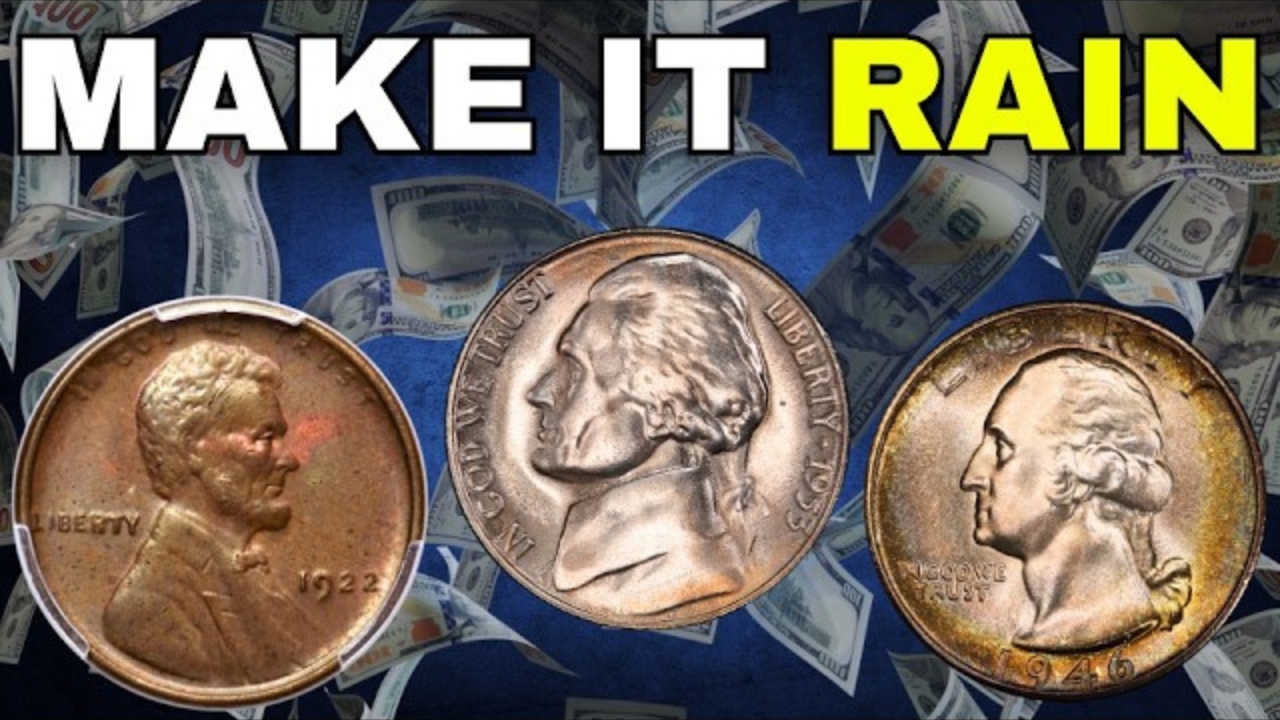
Most people handle coins without giving them a second thought. They jingle in pockets, pile up in jars, and often end up forgotten in drawers. Yet history has shown that some of the most valuable discoveries in numismatics have come from ordinary circulation. A coin that looks like any other can sometimes carry a hidden story, a rare minting error, or a unique historical significance that transforms it from pocket change into a small fortune.
The fascination with coins lies in their dual nature. On one hand, they are everyday tools of commerce, designed to be uniform and practical. On the other, they are miniature works of art, stamped with history, culture, and occasionally mistakes that make them rare. For collectors and casual enthusiasts alike, the thrill of finding a valuable coin in circulation is unmatched.

Why Ordinary Coins Can Become Extraordinary
The value of a coin is determined by several factors: rarity, condition, demand, and historical significance. While most coins are minted in the millions, certain batches contain errors or limited runs that make them scarce. A small detail, such as a misaligned die, a double strike, or even a missing mint mark, can elevate a coin’s worth dramatically.

Collectors prize these anomalies because they represent a break from the norm. A coin with a flaw is not just money; it is a piece of history that escaped the rigid quality control of the mint. Over time, as collectors compete to own these rarities, the value climbs. What was once worth a few cents can suddenly be valued in the hundreds or even thousands.
The 1943 Copper Penny
One of the most famous examples of an ordinary coin turning extraordinary is the 1943 copper penny. During World War II, the United States Mint shifted from copper to steel for penny production to conserve copper for the war effort. However, a few copper blanks from 1942 accidentally made their way into the presses in 1943.
The result was a handful of copper pennies minted in 1943, a year when they were supposed to be steel. These coins are incredibly rare, with only a few dozen known to exist. Today, a genuine 1943 copper penny can fetch tens of thousands of dollars at auction. Imagine the surprise of someone who finds one in a coin jar, unaware of its hidden value.

The 1955 Double Die Penny
Another legendary coin is the 1955 double die penny. Due to a misalignment during the minting process, the coin’s design was struck twice, creating a noticeable doubling effect on the date and lettering. The error was caught quickly, but not before thousands of coins entered circulation.
Collectors immediately recognized the uniqueness of the coin, and demand skyrocketed. Even in circulated condition, a 1955 double die penny can be worth thousands. The coin serves as a reminder that even small mistakes can create lasting value in the world of numismatics.

The 2004 Wisconsin Extra Leaf Quarter
Fast forward to modern times, and the Wisconsin state quarter provides another example of how ordinary coins can become extraordinary. In 2004, some quarters minted in Denver featured an extra leaf on the ear of corn depicted on the reverse side.
There are two variations: the “extra high leaf” and the “extra low leaf.” Both are considered minting errors, and both are highly sought after by collectors. Depending on condition, these quarters can sell for hundreds or even thousands of dollars. For a coin that was meant to be worth only twenty-five cents, the leap in value is astonishing.
How to Spot Valuable Coins in Your Pocket Change
Finding a rare coin requires patience, attention to detail, and a bit of luck. Here are some practical tips for spotting potential treasures in your pocket change:
- Check the dates carefully. Coins from certain years are more likely to contain errors or rare variations.
- Look for unusual markings. Doubling, missing mint marks, or extra details can indicate a valuable error.
- Examine the condition. Coins in better condition are generally worth more, even if they are common.
- Research state quarters and commemorative issues. These often contain unique designs and occasional minting anomalies.
- Use a magnifying glass. Small details can make a big difference in determining value.
The Role of Coin Collectors and Auctions
The coin collecting community plays a crucial role in determining the value of rare coins. When collectors discover anomalies, they spread the word, increasing demand. Auction houses then provide a platform for buyers and sellers to compete, driving prices higher.
Stories of ordinary people finding valuable coins often make headlines, inspiring others to check their change more carefully. These discoveries remind us that treasures can be hiding in plain sight, waiting to be recognized.
The Emotional Value of Coin Discoveries
Beyond monetary worth, finding a rare coin carries emotional significance. It connects the finder to history, to the minting process, and to the broader community of collectors. A coin is not just metal; it is a story frozen in time.
For many, the joy of discovery outweighs the financial gain. The excitement of realizing that a coin in your pocket is special creates a lasting memory. Even if the coin is sold, the story of its discovery remains a cherished experience.
Everyday Coins as a Gateway to Collecting
Discovering a valuable coin often sparks an interest in numismatics. What begins as curiosity can grow into a lifelong hobby. Collectors learn about history, art, and economics through the study of coins. They develop an appreciation for the craftsmanship and the stories behind each piece.
Ordinary coins serve as the gateway to this world. A penny or quarter found in circulation can ignite a passion that leads to building collections, attending coin shows, and participating in auctions. The hobby becomes not just about money, but about knowledge and connection.
Conclusion: Check Your Change Today
The stories of the 1943 copper penny, the 1955 double die penny, and the 2004 Wisconsin extra leaf quarter prove that extraordinary value can hide in ordinary coins. These examples remind us that treasures are not always locked away in museums or vaults; sometimes they are jingling in our pockets.
Checking your change may seem trivial, but it could lead to a discovery worth thousands. More importantly, it could open the door to a fascinating hobby that connects you to history and culture. So the next time you handle coins, take a closer look. You might just find that your pocket change holds more than its face value.