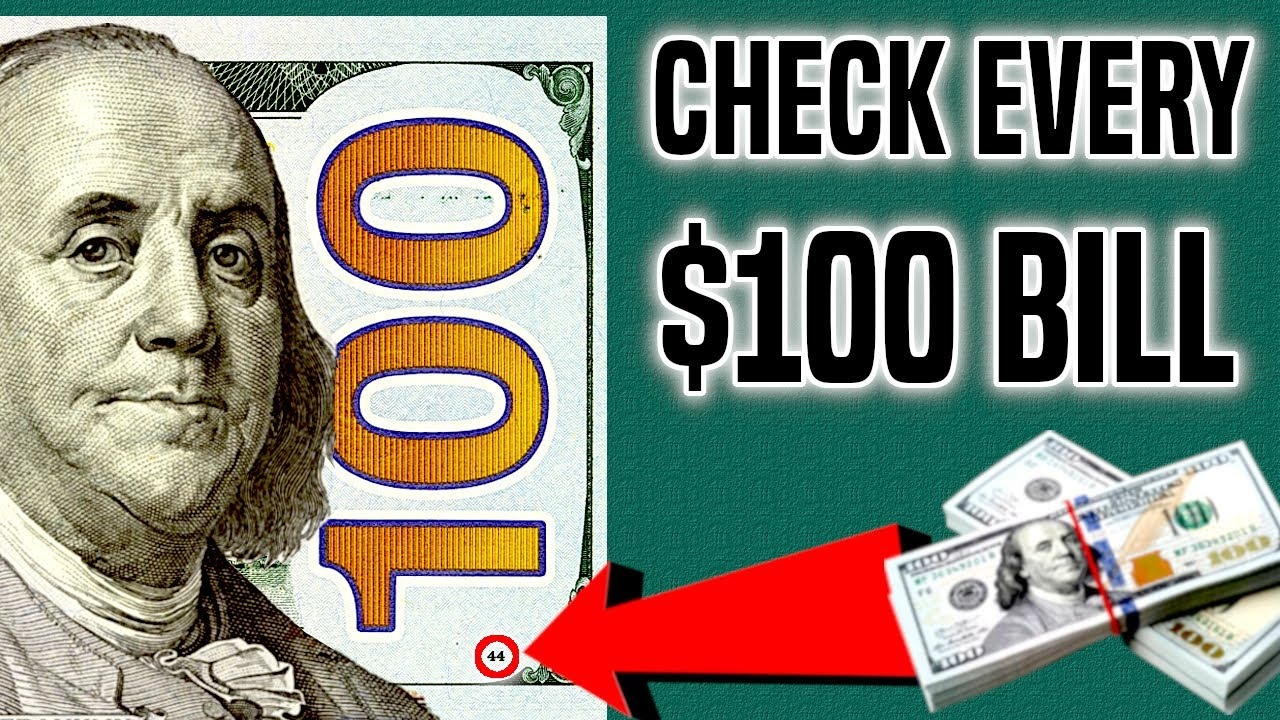
Currency collecting has always been a passion for enthusiasts who see money not just as a medium of exchange but as a piece of history. Among the most sought-after collectibles are rare $100 bills. While most of us see a $100 note as a simple piece of cash, collectors recognize that certain issues, printing errors, and historical versions can be worth thousands or even tens of thousands of dollars. These bills tell stories of changing economies, evolving designs, and the artistry of American currency.
Early Large-Size $100 Bills
Before the smaller notes we use today, the United States issued large-size currency that looked more like oversized sheets of paper. These bills, printed in the 19th and early 20th centuries, are highly prized today. Collectors especially value the 1869 $100 United States Note, often called the “Rainbow Note” because of its colorful design. Another standout is the 1923 $100 Gold Certificate, which carried a bright orange reverse and represented a promise that the bill could be redeemed for gold. These notes are rare because most were redeemed or destroyed, leaving only a handful in circulation.

The Appeal of Gold Certificates
Gold Certificates were once a cornerstone of American currency. Issued in denominations including $100, they were backed by actual gold held in the Treasury. The 1928 $100 Gold Certificate is particularly valuable today, with pristine examples fetching tens of thousands of dollars at auction. Collectors love these notes not only for their rarity but also for their historical significance, as they represent a time when paper money was directly tied to precious metals.

Silver Certificates and Their Legacy
Silver Certificates also hold a special place in the world of rare $100 bills. While most people are familiar with lower denominations, the $100 Silver Certificate is far less common. Issued in the late 19th and early 20th centuries, these notes promised redemption in silver dollars. Today, surviving examples are scarce, and collectors pay a premium for well-preserved notes. Their blue seals and distinctive designs make them visually appealing and historically important.
Federal Reserve Notes With Unique Features
Modern $100 bills are Federal Reserve Notes, but not all are created equal. Certain series and printing errors can make them extremely valuable. For example, a misprint where the seal or serial number is misplaced can turn an ordinary bill into a collector’s treasure. Star notes, which replace damaged bills during production, are also highly collectible. A rare star note in crisp condition can be worth far more than its face value.
The 1934 Series $100 Bill
The 1934 series holds special interest for collectors. These notes were issued during the Great Depression and feature the familiar portrait of Benjamin Franklin. While most examples are worth only slightly more than face value, rare variations such as mule notes or those with unusual serial numbers can command high prices. Collectors often seek out these bills as part of a broader collection of Depression-era currency.

The 1966 $100 Red Seal United States Note
One of the most distinctive $100 bills is the 1966 Red Seal United States Note. Unlike Federal Reserve Notes, these were issued directly by the Treasury and carried a red seal instead of the green one we see today. Because they were produced in limited numbers, surviving examples are rare. Collectors prize them for their unique design and historical significance, and high-grade notes can sell for thousands of dollars.
Modern Rarities and Printing Errors
Even contemporary $100 bills can be worth big money if they contain printing errors. Misaligned seals, missing serial numbers, or double impressions are examples of mistakes that make a note rare. Collectors are willing to pay significant premiums for these anomalies, especially if the bill is in uncirculated condition. In some cases, a $100 bill with a dramatic error can sell for several thousand dollars.

The Role of Condition and Grading
Condition is everything in currency collecting. A rare $100 bill in poor condition may only be worth a modest premium, while the same note in crisp, uncirculated condition could be worth many times more. Professional grading services evaluate notes based on factors like centering, color, and paper quality. Collectors often seek graded notes to ensure authenticity and value. The difference between a circulated and uncirculated note can mean thousands of dollars in price.
Collectors and Their Passion
For collectors, rare $100 bills are more than just money. They are pieces of history, art, and culture. Each note tells a story about the era in which it was printed, the economic conditions of the time, and the evolution of American currency. Collectors often spend years searching for specific notes to complete their collections, and auctions can become competitive arenas where rare bills fetch astonishing prices.
Investment Potential of Rare $100 Bills
Beyond the passion of collecting, rare $100 bills also represent a form of investment. As tangible assets, they tend to hold value and can appreciate over time. Just as rare coins and stamps have long been considered alternative investments, rare currency is increasingly recognized as a way to diversify portfolios. High-grade notes, especially those with historical significance, often see steady demand from collectors and investors alike.
Famous Auction Sales
Several rare $100 bills have made headlines at auctions. For example, pristine examples of the 1928 Gold Certificate have sold for over $20,000. Large-size notes from the 19th century have fetched even higher prices, depending on rarity and condition. These sales highlight the strong market for rare currency and the willingness of collectors to pay top dollar for exceptional pieces.
Tips for Aspiring Collectors
For those interested in starting a collection of rare $100 bills, the best advice is to begin with research. Understanding the different types of notes, their historical context, and the factors that affect value is essential. Collectors should also learn about grading standards and consider purchasing from reputable dealers or auctions. Starting with more affordable notes and gradually working toward rarer examples is a practical approach.
The Enduring Legacy of Rare $100 Bills
Rare $100 bills continue to captivate collectors and investors alike. From colorful large-size notes of the 19th century to modern misprints that turn ordinary bills into treasures, these pieces of currency embody history, artistry, and value. For those who appreciate the intersection of money and culture, collecting rare $100 bills offers both excitement and reward. As long as people value history and rarity, these notes will remain prized possessions in the world of numismatics.