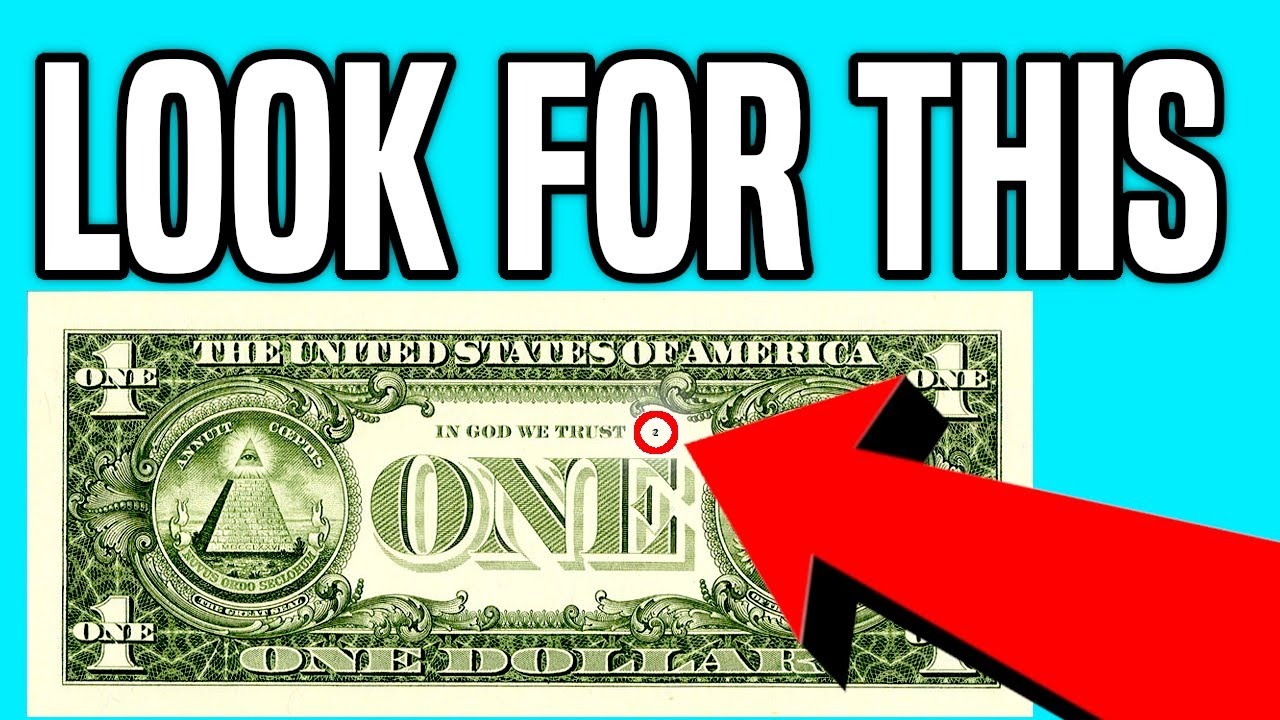
The humble $1 bill may seem ordinary, but hidden among the billions of notes in circulation are rare treasures that collectors are willing to pay thousands of dollars to own. These ultra-rare $1 bills are not just pieces of paper currency; they are historical artifacts, printing anomalies, and unique collectibles that tell fascinating stories about American money. From misprints and star notes to limited runs and unusual serial numbers, these bills have become highly sought after in the numismatic world.
In this article, we will explore 21 ultra-rare $1 bills that have captured the attention of collectors and investors alike. Each example highlights why rarity, condition, and historical significance can transform a simple dollar into a prized possession worth far more than its face value.
Key Highlights
- Rare $1 bills can be worth thousands due to printing errors, unique serial numbers, or limited production runs.
- Star notes, misprints, and low serial numbers are among the most valuable categories.
- Condition and grading play a critical role in determining a bill’s market value.
- Collectors prize bills with historical significance, such as early Federal Reserve issues or notes tied to major events.
- Investing in rare currency requires knowledge of authenticity, grading standards, and market demand.
The Fascination with Rare $1 Bills
Collectors are drawn to rare $1 bills because they combine affordability with the thrill of discovery. Unlike rare coins or high-denomination notes, $1 bills are accessible to the average person. Anyone might stumble upon a valuable note in their wallet or change drawer. This accessibility makes the hunt exciting, while the rarity ensures that certain bills command impressive prices at auctions and private sales.

The fascination also lies in the stories these bills tell. A misprinted note reveals the complexities of currency production, while a star note reflects the replacement process for damaged bills. Each rare $1 bill is a window into the history of American money.
Star Notes: Replacement Bills with a Twist
One of the most recognizable categories of rare $1 bills is the star note. These bills feature a small star symbol at the end of the serial number, indicating that they were printed to replace defective notes. Because star notes are produced in smaller quantities, they are rarer than standard issues.
Collectors especially value star notes with unusual serial numbers, such as repeating digits or low numbers. A pristine star note from a limited run can easily fetch hundreds or even thousands of dollars, depending on demand.
Misprints and Printing Errors
Printing errors are among the most dramatic and valuable types of rare $1 bills. Errors can occur during any stage of production, resulting in notes with misaligned seals, inverted serial numbers, missing ink, or even double prints.
These anomalies are highly prized because they are accidental and therefore extremely rare. For example, a $1 bill with an upside-down serial number or a missing Federal Reserve seal can be worth thousands. The more unusual and visually striking the error, the higher the value.
Low Serial Numbers
Serial numbers are another key factor in determining rarity. Bills with very low serial numbers, such as 00000001 or 00000005, are considered highly collectible. These notes are often saved by bank employees or collectors immediately upon release, making them scarce in circulation.
Low serial number bills are valued not only for their rarity but also for their aesthetic appeal. The symmetry and uniqueness of these numbers make them stand out, and collectors are willing to pay a premium for them.
High Serial Numbers and Fancy Numbers
Just as low serial numbers are prized, so too are unusual or “fancy” numbers. Collectors seek bills with repeating digits (like 11111111), palindromes (such as 12344321), or patterns (like 00009999). These bills are rare because they occur naturally in the printing process and cannot be manufactured intentionally.
Fancy serial numbers are especially popular among casual collectors, as they are easy to identify and visually appealing. Depending on the pattern and condition, these bills can sell for hundreds or thousands of dollars.
Historical Federal Reserve Notes
Early Federal Reserve $1 notes from the 1920s and 1930s are highly collectible due to their age and historical significance. These notes often feature different designs, seals, and printing styles compared to modern currency.
Collectors value these bills not only for their rarity but also for their connection to the evolution of American money. A well-preserved early Federal Reserve $1 bill can command significant prices at auction, especially if it has unique features such as blue seals or unusual signatures.
Silver Certificates
Silver certificates are another category of rare $1 bills that attract collectors. Issued between the late 19th century and the mid-20th century, these notes were once redeemable for silver coins or bullion.
Although they are no longer exchangeable for silver, silver certificates remain highly collectible due to their historical importance. Rare varieties, such as those with unusual seals or printing errors, can be worth thousands.
The Role of Condition and Grading
Condition is one of the most important factors in determining the value of a rare $1 bill. Notes are graded on a scale from poor to gem uncirculated, with higher grades commanding higher prices.
A rare bill in pristine condition can be worth exponentially more than the same bill in worn condition. Collectors often seek professionally graded notes to ensure authenticity and accurate valuation.
Table: Categories of Rare $1 Bills and Their Value Potential
| Category | Defining Feature | Value Potential (Approx.) |
|---|---|---|
| Star Notes | Star symbol in serial number | $100 – $5,000+ |
| Misprints/Errors | Printing anomalies | $500 – $10,000+ |
| Low Serial Numbers | Numbers starting with multiple zeros | $500 – $7,500+ |
| Fancy Serial Numbers | Patterns, repeats, palindromes | $200 – $5,000+ |
| Early Federal Reserve Notes | 1920s–1930s issues | $1,000 – $8,000+ |
| Silver Certificates | Redeemable for silver (historical) | $300 – $6,000+ |
Collecting Strategies for Rare $1 Bills
For those interested in collecting rare $1 bills, strategy is key. Start by learning how to identify star notes, misprints, and unusual serial numbers. Familiarize yourself with grading standards and consider investing in professional appraisal services.
Networking with other collectors and attending auctions can also provide valuable insights. Many rare bills are discovered in circulation, but the most valuable examples are often found through dedicated searching and trading.
Investment Potential of Rare Currency
Rare $1 bills are not only collectibles but also potential investments. As demand for unique currency grows, the value of rare notes continues to rise. Investors view these bills as tangible assets that combine historical significance with financial potential.
However, investing in rare currency requires caution. Market trends can.