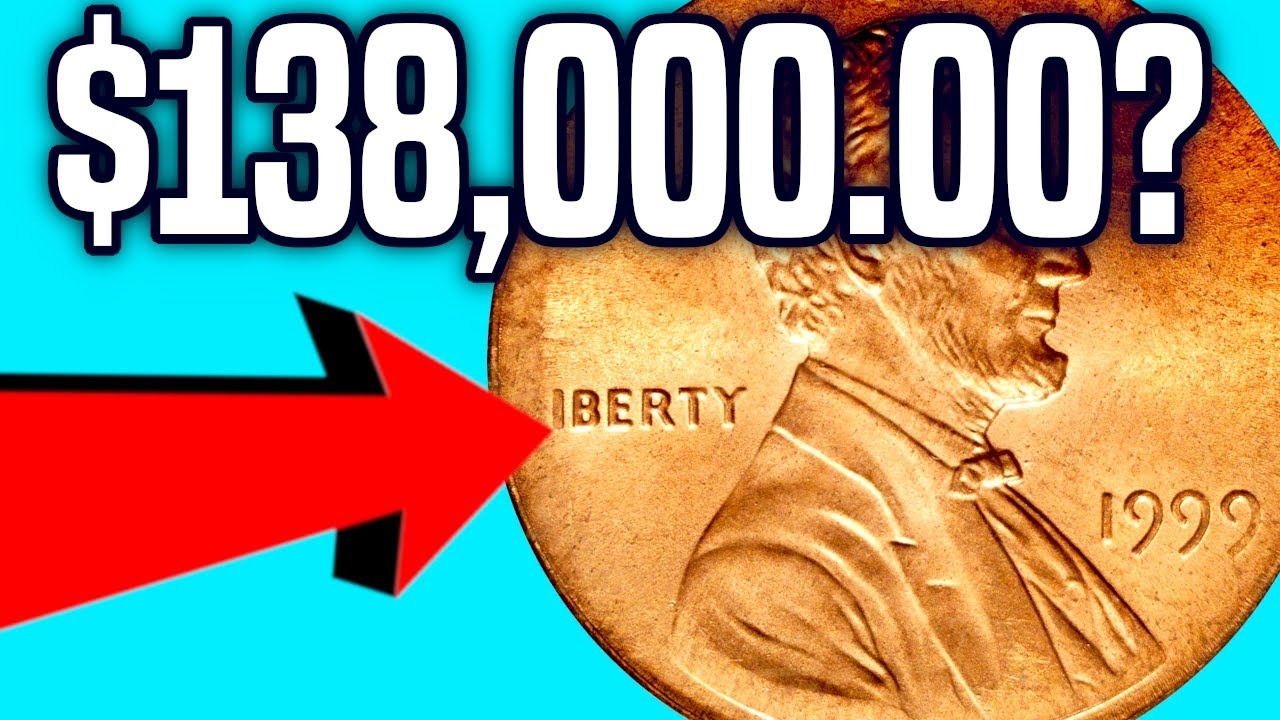
The humble penny often goes unnoticed in everyday transactions, yet coin collectors know that even the smallest denomination can hold hidden treasures. The 1999 Lincoln penny is one such coin that deserves attention. While most examples are worth only face value, certain varieties, mint errors, and conditions can make them far more valuable. Understanding what to look for in your change can help you spot these gems and potentially turn a simple coin into a collectible piece worth several dollars or more.
Historical Background of the 1999 Penny
The 1999 penny belongs to the Lincoln Memorial series, which ran from 1959 until 2008. Designed by Frank Gasparro, the reverse features the Lincoln Memorial, while the obverse continues Victor David Brenner’s iconic portrait of Abraham Lincoln first introduced in 1909. By 1999, the penny was struck primarily in copper-plated zinc, a composition introduced in 1982 to reduce production costs. This change in metal content makes condition and preservation especially important, as zinc pennies are prone to corrosion and spotting.
Mint Marks and Their Importance
When examining a 1999 penny, the first detail to check is the mint mark. Three mints produced pennies that year: Philadelphia (no mint mark), Denver (D), and San Francisco (S).
- Philadelphia coins are the most common, with billions struck.
- Denver coins are also plentiful, though certain high-grade examples can command premiums.
- San Francisco produced proof coins intended for collectors, and these are often found in pristine condition. Proof coins from 1999 can be especially desirable if they remain in their original packaging or have been carefully preserved.
Condition and Grading
Condition is the single most important factor in determining value. Circulated 1999 pennies generally remain worth only one cent, but uncirculated examples can be worth more. Collectors use a grading scale ranging from Poor (P-1) to Mint State (MS-70).
- A coin in Mint State 65 or higher, with full luster and no noticeable marks, can sell for several dollars.
- Proof coins graded PR-69 or PR-70 are highly sought after, often selling for $20 or more depending on demand.
- Coins with attractive toning or exceptional eye appeal may also bring premiums, even if their technical grade is slightly lower.
Notable Varieties and Errors
One of the most exciting aspects of coin collecting is the hunt for varieties and mint errors. The 1999 penny has several that collectors actively seek.
- Wide AM Variety: On some 1999 pennies struck in Philadelphia, the spacing between the letters A and M in “AMERICA” on the reverse is wider than usual. This variety is rare and can be worth $500 or more in high grades.
- Close AM Variety: Conversely, certain proof coins from San Francisco show a close spacing of the A and M, which is unusual for proofs. These coins are also collectible and can sell for significant premiums.
- Off-Center Strikes: Pennies struck off-center, where part of the design is missing, are popular among error collectors. Values vary depending on the degree of misalignment.
- Double Dies: Coins showing doubling in the lettering or date are rare but can be valuable. Careful inspection with a magnifying glass is often required to spot these.
How to Spot Valuable 1999 Pennies
Finding a valuable penny requires patience and a keen eye. Here are practical steps to follow:

- Examine the reverse for the Wide AM or Close AM varieties.
- Check the mint mark to determine whether the coin is from Philadelphia, Denver, or San Francisco.
- Inspect the coin’s condition under good lighting, noting any scratches, spots, or discoloration.
- Use a magnifying glass to look for doubling in the date or lettering.
- Compare your coin to reference images from trusted coin guides to confirm varieties.
Market Value and Demand
The value of a 1999 penny depends not only on its condition and variety but also on current market demand. Coin collecting trends shift over time, and certain varieties may rise or fall in popularity. Wide AM pennies, for example, have consistently held strong value due to their rarity and appeal. Proof coins also remain in demand, particularly those graded by professional services. While most 1999 pennies will never exceed face value, the thrill of finding a rare variety keeps collectors searching.
Tips for Preserving Your Pennies
If you believe you have a valuable 1999 penny, proper preservation is essential.
- Store coins in a cool, dry environment to prevent corrosion.
- Use coin holders or albums designed for long-term storage.
- Avoid cleaning coins, as this can damage surfaces and reduce value.
- Handle coins by the edges to prevent fingerprints and oils from affecting the metal. By taking these steps, you can ensure that your coins retain their condition and potential value for years to come.
The Collector’s Perspective
For many collectors, the 1999 penny represents more than just monetary value. It is part of the broader Lincoln Memorial series, a staple of American coinage for nearly half a century. Collectors often seek to complete sets by year and mint mark, making even common coins important in building a collection. The thrill of discovering a rare variety like the Wide AM adds excitement and depth to the hobby, reminding collectors that treasures can still be found in everyday change.
Conclusion
The 1999 penny may seem ordinary at first glance, but closer inspection reveals opportunities for collectors and enthusiasts. From rare varieties like the Wide AM to pristine proof coins, certain examples can be worth far more than their face value. By learning what to check in your change, you can join the hunt for these hidden gems and perhaps uncover a coin that adds both value and history to your collection. Whether you are a seasoned numismatist or a curious beginner, the 1999 penny offers a fascinating glimpse into the world of coin collecting and the rewards of paying attention to the smallest details.